
Choosing a safari operator is a procurement decision that affects financial risk, safety, ethical impact, and the quality of the experience.
Across Africa, over 8,000 licensed safari companies compete in the market, each with varying structures, resources, and regulatory obligations.
Some are fully registered operators with fleet ownership, staff training protocols, and direct access to national park permits.
Others are intermediary agents, brokers, or informal outfitters operating through local subcontractors.
The proliferation of booking platforms has further blurred these distinctions. Online ratings, influencer promotions, and glossy itineraries often mask operational shortcomings, limited liability, or poor field execution.
A traveller may receive a polished quote only to discover later hidden exclusions, unreliable logistics, or poorly briefed guides. In some instances, payments are collected by offshore agencies with limited accountability inside the country of operation.
Evaluating a safari provider, therefore, requires a structured interrogation of their credibility, operational capacity, ecological footprint, and client protections.
This article provides a step-by-step framework for that assessment. Each section isolates a critical aspect of the operator relationship, equipping the reader with precise questions to pose before making a payment.
The stakes are high, both financially and experientially. A well-planned safariA well-planned safari can yield unmatched field insights, conservation contributions, and logistical precision.
A poorly vetted one can result in compromised safety, mismanaged resources, and reputational damage.
Defining Your Safari Goals and Preferences
1. Identify Your Primary Purpose for Booking a Safari
Begin by articulating what you seek to experience. This could be wildlife photography, species-specific observation, birding, gorilla trekking, or guided walking safaris. A photographic safari in Queen Elizabeth National Park requires different planning than a chimpanzee-tracking expedition in Kibale Forest. Clarifying this objective informs every logistical and financial decision to follow.
2. Choose the Geographic Focus
East Africa spans distinct ecological regions. A northern circuit safari in Tanzania targets Tarangire, Serengeti, and Ngorongoro. Uganda’s Albertine Rift Valley supports primate tracking and wetland birding. Kenya’s Laikipia conservancies offer conservation-focused programs. Deciding on your focus region is essential before comparing packages.
3. Clarify Duration and Comfort Threshold
How many days can you spend in the field? Are you prepared for early morning drives, limited connectivity, or remote overnight stays? A five-day fly-in safari from Entebbe to Kidepo Valley requires different endurance than a two-week overland loop across Rwanda’s national parks. Set expectations early.
4. Define Your Accommodation Style
Options range from solar-powered tented camps to high-end lodges with air-conditioned suites. Ask yourself: do you require en suite facilities? Laundry service? Private verandas? What trade-offs are acceptable for budget control or proximity to wildlife corridors?
5. Determine the Desired Level of Wildlife Engagement
Passive game drives differ fundamentally from active walking safaris or immersive community conservation experiences. Will you be satisfied with vehicle-based viewing, or do you want guided treks, habituation experiences, or predator tracking?
6. Time Your Safari for What You Want to See
Timing affects everything. The wildebeest calving season in Ndutu occurs from January to March. Gorilla permits in Uganda become scarce in June and July. Migratory birdwatching peaks between October and March. Ask operators how seasonality influences sightings, permit availability, and climate conditions.
7. Plan Around Group Size and Social Dynamics
Solo safaris, couples, small family units, or large incentive groups all require distinct configurations. A seven-seater Land Cruiser may offer a poor experience if fully booked. Decide whether you want a private guide, shared safari, or exclusive-use itinerary.
8. Align with Budget and Conservation Values
Safaris can range from USD 200 to 1,500 per person per day. Budget options often include fewer inclusions and longer drive times. Some operators allocate revenue directly to conservation or community programs. Request transparency on where your payment goes.
Credentials, Reputation, and Authenticity of The Operator
A. Determine the Nature of the Business Entity
Begin by confirming whether the service provider is a registered tour operator or a third-party agent.
Operators with direct logistical control over vehicles, guides, and permits offer better accountability. Inquire about legal registration within the operating country.
For example, companies conducting gorilla trekking in Uganda must be registered with the Uganda Tourism Board and licensed by the Uganda Wildlife Authority.
If you’re not sure, request a copy of the operator’s business license or UWA access permit.
Some platforms advertise safari packages sourced from independent operators, yet do not handle logistics. In such cases, clarity over liability and refund pathways becomes critical. Always ask who is responsible if services fail.
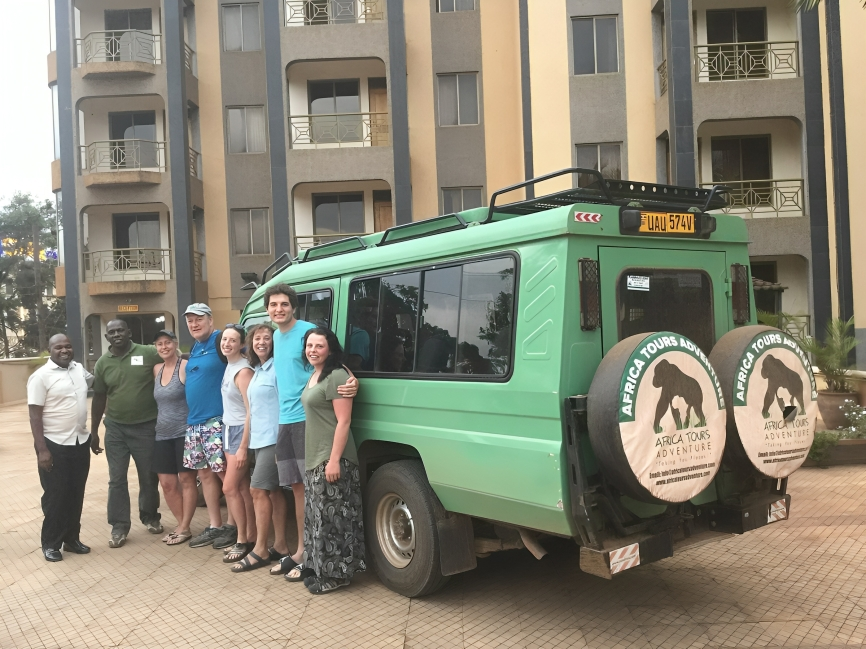
B. Examine Independent Reviews and Client Feedback
Do not rely solely on curated testimonials from the operator’s website. Instead, check independent platforms such as SafariBookings.com, Trustpilot, and TripAdvisor. Look for reviews that mention specific names, timelines, or service events.
Overly generic praise is often scripted or incentivised.
Give weight to reviews posted within the last 12 months. Outdated reviews may no longer reflect the current quality, especially after the pandemic disruptions.
Also, pay attention to how operators respond to negative reviews. Do they acknowledge the issue and explain corrective steps, or do they deflect blame?
C. Confirm Professional Affiliations and Ethical Commitments
Credible operators often belong to country-level or regional associations.
In East Africa, affiliations with the Association of Uganda Tour Operators (AUTO), Kenya Association of Tour Operators (KATO), or the Rwanda Tours and Travel Association (RTTA) provide a minimum benchmark for legitimacy.
Further, membership in sustainability bodies such as the African Travel and Tourism Association (ATTA) or certifications such as Travelife or Fair Trade Tourism signals a commitment to ethical business conduct.
These affiliations do not guarantee quality, but they do create traceability and oversight.
You may also request proof of insurance coverage for evacuation, vehicle liability, and operational risks. Serious operators will not hesitate to share this information.
D. Evaluate Transparency, Risk Protection, and Financial Safeguards
Ask about booking terms, refund triggers, and payment procedures. Does the operator provide a formal invoice, with banking instructions traceable to a corporate account in the destination country?
Does the payment structure include a deposit with balance upon arrival, or is full prepayment required?
Operators that maintain trust accounts or offer third-party financial protection services (e.g., PTS in the UK, SATSA in South Africa) help shield you from risk in the event of insolvency.
This is especially vital for high-value itineraries booked more than six months in advance.
Lastly, examine how the operator communicates. Do they reply within 24 hours? Are their emails informative, clearly written, and responsive to specific questions? Communication quality often reflects operational quality.
What’s Included (and What’s Not) In The Package
1. Accommodation Standards and Location
What to expect:
Operators often quote mid-range lodges or tented camps located just outside park boundaries. Luxury packages may include full-board stays within private reserves.
What to clarify:
Request property names before confirming. Ask whether accommodation is inside or outside the protected area. Inquire about en suite bathrooms, power access, and WiFi availability.
Common pitfalls:
Descriptions like “comfortable eco-lodge” or “intimate bush camp” are subjective. Confirm service level using property websites or satellite reviews. Ask whether rates include community fees or conservation levies.
2. Transport and Transfers
What to expect:
Most packages include airport pick-up, park transfers, and game drives. Some itineraries use open-sided safari vehicles, others use closed 4×4 Land Cruisers.
What to clarify:
Ask about vehicle type, seating configuration, fuel policy, and radio equipment. If flying between parks, confirm weight limits and transfer schedules.
Common pitfalls:
Packages may exclude city transfers or charge extra for park-to-park distances. Internal flight costs are sometimes quoted separately from the base itinerary.
3. Meals and Beverages
What to expect:
Lodges often serve buffet or plated meals. Budget packages typically include breakfast and dinner, but not lunch or beverages.
What to clarify:
Confirm the number of meals included daily. Ask whether vegetarian, vegan, halal, or gluten-free options are available. Clarify beverage policy, including bottled water.
Common pitfalls:
Remote locations may have limited food variety. Imported beverages, especially wine and spirits, are rarely included.
4. Park Entry Fees and Activity Permits
What to expect:
Packages may include park entry and game drive access. Gorilla, chimpanzee, and golden monkey permits are often billed separately.
What to clarify:
Confirm whether permit fees are part of the quoted cost. For Uganda, a gorilla permit costs USD 800 as of July 2024. Rwanda charges USD 1500.
Common pitfalls:
Some operators quote a base price, then add park fees later. This can inflate total costs by over 30 percent.
5. Safari Activities and Optional Add-ons
What to expect:
Game drives are usually included. Walking safaris, boat cruises, and cultural visits may incur an extra charge.
What to clarify:
Request a complete list of included activities for each day. If community visits or night drives are mentioned, request clarification on location, timing, and cost.
Common pitfalls:
Operators sometimes list “available activities” without stating what is covered. Do not assume that everything shown in promotional materials is included.
6. Guide Services and Language Support
What to expect:
Packages generally include an English-speaking guide or driver-guide. Multi-lingual guides may be available on request.
What to clarify:
Ask about the guide’s certification, years of experience, and specific knowledge (e.g., ornithology, photography). For group safaris, confirm the guide-to-client ratio.
Common pitfalls:
Some budget operators rotate guides mid-safari. Others outsource guiding to local lodge staff without your prior knowledge.
7. Tips, Taxes, and Gratuities
What to expect:
Quoted prices often exclude gratuities for guide and lodge staff. VAT is usually included in the total cost in Uganda, Kenya, and Rwanda.
What to clarify:
Ask whether gratuities are expected, and if so, what the norm is. As a reference, USD 10-15 per guest per day is typical for guides.
Common pitfalls:
Tipping expectations may surprise first-time visitors. Ensure you carry sufficient small denominations in local currency or USD.
Quality Of Guides, Vehicles, and Safety Standards
A. Guide Credentials and Performance Standards
Indicator: Technical skill, situational awareness, and interpretation quality.
Minimum expectation:
Guides should be certified by a national body, such as the Uganda Safari Guides Association or Kenya Professional Safari Guides Association. First aid training is mandatory. They should hold valid identification, and their guiding license must be current.
Professional benchmark:
Three or more years of continuous guiding, demonstrated knowledge of local ecosystems, multilingual capacity, and documented client satisfaction across more than one travel season.
What to ask operators:
Who will be guiding this trip? May I see their license or profile? Do they remain with guests throughout, or do they change between locations?
B. Vehicle Condition and Configuration
Indicator: Mechanical reliability, visibility, and interior layout.
Minimum expectation:
4WD safari vehicles with operable doors, clean seating, working suspension, and regular maintenance logs. Roof hatches or pop-up tops must be available.
Professional benchmark:
Custom-built Toyota Land Cruisers or equivalent with individual window seats, charging sockets, radio communication, spare parts, and accessible fuel storage.
What to ask operators:
How old are your vehicles? Are they owned or leased? How often are they serviced? Can I see a photo of the exact model in use?
C. Emergency Readiness and Risk Protocols
Indicator: Crisis response capacity, medical linkage, and environmental safety procedures.
Minimum expectation:
Guides must carry a first-aid kit, have a known emergency call protocol, and know park boundary emergency contacts. Guests must receive safety briefings.
Professional benchmark:
Operators subscribe to evacuation cover with providers such as AMREF Flying Doctors. Safari vehicles carry satellite phones or long-range radios. Staff conduct fire, wildlife, and evacuation drills annually.
What to ask operators:
Do you offer emergency evacuation insurance? What protocols are in place if a guest becomes ill in a remote park?
D. Wildlife Ethics and Guest Conduct Oversight
Indicator: Adherence to conservation guidelines and ethical engagement rules.
Minimum expectation:
Drivers must maintain legal viewing distances, avoid off-track driving, and prevent crowding at sightings. Flash photography and animal feeding are strictly prohibited.
Professional benchmark:
The operator actively trains staff in code-of-conduct enforcement. The company follows the protocols of the African Safari Standards initiative or equivalent.
What to ask operators:
How do your guides enforce ethical viewing standards? How do you prevent guide misconduct or overstepping wildlife viewing boundaries?
Transparency, Terms of Payment, Cancellation Policies, and After-Sales Support
1. Initial Quotation and Written Confirmation
The first quotation should be itemised, timestamped, and delivered in writing. Ask whether quoted prices are net, gross, or subject to seasonal fluctuations. Ensure the quote references all included and excluded items, ideally in tabular form. A professional operator will always confirm the validity period of the quotation, usually 7 to 14 days.
If a quotation arrives without a formal letterhead or operator identification, flag this immediately. Written quotes should include the legal name of the operating entity and the booking reference number.
2. Deposit Terms and Payment Milestones
Operators typically require a 20-50% deposit to initiate bookings. For safaris involving gorilla permits, chimpanzee tracking, or peak-season lodge reservations, some deposits are non-refundable.
Always ask when the balance is due. In East Africa, most operators require full payment between 30 and 60 days before arrival. If you plan to pay upon arrival, confirm whether this is acceptable and request it in writing. Ensure all payments are acknowledged with official receipts or payment confirmations.
Do not assume currency parity. Clarify whether the invoice is quoted in USD, EUR, or local currency. Cross-border operators may bank in a third country.
3. Cancellation and Refund Provisions
Request a full copy of the cancellation policy before sending payment. Policies vary significantly. For example, Uganda-based companies may charge 50 percent for cancellations made 21 days before arrival, while Rwanda-based operators often retain the full deposit on permit-based trips.
Ask how refunds are processed. Are they issued to your original payment method? Do they include administrative fees or bank charges? Can refunds be deferred into a future booking?
If weather, political instability, or wildlife permit issues cause cancellation, confirm whether postponement or replacement services are offered.
4. Payment Method Security and Traceability
Reputable operators use secure banking channels. Wire transfers should go to a named corporate account. Mobile money transfers in Uganda (MTN or Airtel) should be linked to registered business names.
Avoid making payments to personal accounts, especially for balances above USD 500. If using a credit card, ask whether there is a surcharge. Some charge 3-5% for Visa or Mastercard transactions.
If possible, confirm whether the operator participates in a financial protection scheme. While rare, some belong to regional insurance networks or escrow-style systems that release funds only upon service delivery.
5. Post-Payment and After-Sales Communication
Once payment is complete, the operator should issue a confirmed itinerary, booking references for all lodges, emergency contacts, and a pre-departure brief.
Ask whether you will receive a meet-and-greet at the arrival airport. Confirm who your point of contact will be throughout the trip. Request their mobile number and email.
A well-organised operator maintains daily check-ins during the safari, especially for multi-day trips across parks or international borders. If that seems excessive, a simple question: who will I call if there’s a problem at 10 pm?